| Interpret |
| Los Lobos |
| Titel |
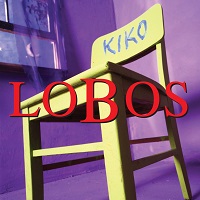
| Kiko |
| Veröffentlichung |
| Mai 1992 |
| Aufnahme |
| 1991 |
| Label |
| Warner/Slash |
| Tonträgertyp |
| Tripelalbum |
| Instrumentalstil |
| |
| Musikstil |
| |
| Essembleart |
| |
|
| Mit eigenen Worten ... |
Los Lobos sind für mich so eine Band, die sich ganz langsam und kontinuierlich zu einer meiner Lieblinxbands gemausert hat. Die Band gibt es zwar schon seit Mitte der 70er, kennengelernt habe ich sie aber, wie viele andere, erst mit ihrem Album "How Will The Wolf Survive" von 1984. In den Jahren danach habe ich sie immer wieder gerne gehört, mir ab und zu auch eine ihrer Platten gekauft, aber erst in den letzten, vielleicht zehn (?) Jahren haben sie immer mehr an Bedeutung für mich gewonnen und ich habe angefangen, meine Lücken im Plattenregal zu schließen. Manches gab es in der Grabbelkiste günstig zu entdecken, zum Beispiel "The Neighborhood" von 1990. Anderes habe ich bereits gekauft, als es neu herauskam, zuletzt "Native Sons" von 2021. "Kiko" soll sogar das beste Album der Band sein, den Titelsong "Kiko and The Lavender Moon" kannte ich bereits als das Highlight vieler Liveshows, die ich inzwischen auf Youtube geniessen konnte. Leider war das Album gebraucht aber nicht zu finden, auch nicht auf CD. Das Reissue auf Vinyl zum Record Store Day von 2023 war mir dann mit etwa 50€ noch zu teuer. Vor kurzem stand aber ein Exemplar für "nur noch" 45€ beim 2nd-Hand-Discounter meines Vertrauens und sprach direkt zu mir: "Hör mich und kauf mich!". Das habe ich dann auch gemacht - und bin jetzt ziemlich angetan von dem 3fach Album. Die 16 Originaltracks der CD-Version sind auf den ersten beiden Platten zu finden, die dritte Platte ist Demos, Outtakes und Jams aus den Sessions von damals vorbehalten. Notwendig? Vielleicht nicht. Aber zusammen mit den Originalen bilden sie ein schönes, fettes Album!
(01.05.2026)
So. Jetzt habe ich endlich alle sechs Plattenseiten durchgehört - und möchte meine erste Begeisterung wieder etwas "zurückfahren": Ich finde zwar immer noch, dass dies die großartige Wiederveröffentlichung eines wirklich guten Albums ist, aber - erstens - der einzige, mir bislang bekannte Song "Kiko And The Lavender Moon" ist nicht nur das Highlight der Liveshows, sondern auch das Highlight des ganzen Albums. Das bedeutet nach meiner Meinung im Umkehrschluß, dass das von Kritikern als "the most rewarding album in the group's catalog" bezeichnetete Album für mich die erhoffte sehr hohe Qualität nicht über die ganze Albumlänge hält. "Kiko" ist natürlich in der Klasse von "How Will The Wolf Survive" und "The Neighborhood", aber viel besser als diese? Dem kann ich so nicht zustimmen! Und jetzt kommt mein zweitens: die Bonustracks der dritten LP finde ich leider ziemlich überflüssig und werde sie mir wahrscheinlich kein zweites mal anhören: da gibt es vier Alternativversionen von Albumsongs auf der Seite "E", bei denen ich nach erstem Hören keine signifikanten Unterschiede zu den finalen Versionen hören kann, außer dass sie etwas reduzierter sind. Und die Jams auf Seite "F" klingen eher nach bloßem Warmspielen im Studio, bevor es ernsthaft losgeht. Ich kann nicht erkennen, dass sie irgendeine Bedeutung für die entstandenen Songs haben. Ist das Album also ein Fehlkauf? Nein, auf keinen Fall. Ich wäre wohl mit einer älteren CD Ausgabe oder mit der ursprünglichen Vinylversion zufrieden gewesen, aber die konnte ich leider bisher nirgendswo finden.
(2026-05-10) |
|
 Plattentipp


