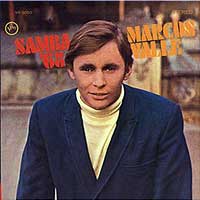
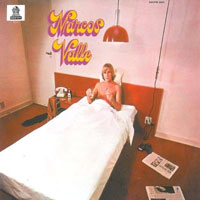
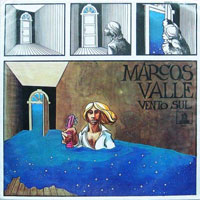
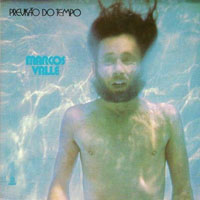
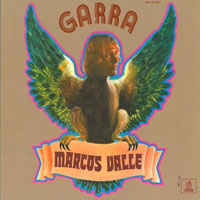
Der Nachfolger zum selbstbetitelten 1970er Album des brasilianischen Sängers, Songwriters und Musikers Marcos Valle, „Garra“, nimmt eine gesellschaftlich-wachsame Haltung ein, die hier mit einem verspielten Mix aus Samba, Bossa Nova, Baiao (einem rhythmischen Beat aus der ländlichen Nordosten Brasiliens), schwarzer amerikanischer Musik und psychedelischem Rock gewürzt wird.
Marcos und sein lyrisch begabter Bruder Paulo nahmen das Album mit einigen der besten Studiomusiker Brasiliens auf – „Garra“ ist ihr politisch deutlichstes Werk. Aufgenommen zwischen den Session für Seifenoper Soundtracks, mit denen Valle sein Geld verdiente, provozierte das Album wissentlich die staatlich Zensur. Unglücklicherweise kamen einige von Valles Zeitgenossen nicht so ungeschoren davon wie er und wurden für ihre politisch „fragwürdigen“ Inhalte entweder ins Exil geschickt (wie die Ikonen des Tropicalia Gilberto Gil und Caetano Veloso) oder mussten in die USA oder nach Europa flüchten.
„Garra“ erschien ursprünglich 1971 und verzückte mit dem Rare Groove Klassiker „Wanda Vidal“, der noch Jahre nach der ursprünglichen Veröffentlichung von britischen, europäischen und japanischen Musikfans hochgelobt wurde. Inmitten einer aufregenden Aufstellung von Instrumenten verbirgt sich ein ernsthafter Kern.
Tempering his funkier inclinations to create a Baroque masterpiece of easy listening Brazilian pop, Marcos Valle recorded the most entertaining album of his career, and perhaps the best Brazilian pop album of all time. Garra begins with the elegant "Jesus Meu Rei," with a magisterial men's choir echoing Valle's sentiments while textured piano and organ complete the rich sonic palette. Second track "Com Mais de 30," only the first of several ingenious transitions, offers a light, breezy alternative, bouncing back and forth from main melody to an excellent bridge. Indeed, nearly every song has a bridge as strong as -- or stronger than -- the main melody, and Valle proves himself a master at weaving together the various studio musicians at his disposal. Valle moves briskly and assuredly from piano lines to acoustic guitar and back for "Com Mais de 30," combines flutes and a Mellotron for a tight bridge on the title track, and coaxes all manner of emotions from a symphonic orchestra -- hushed yet gradually building strings, bleating brass -- for the unabashed "Black Is Beautiful." Every song is excellent, most in the easy-pop vein of Samba '68. "Wanda Vidal," "Vinte e Seis Anos de Vida Normal," and the perfectly done closer, "O Cafona," are seamless blends of funk and easy listening; the last features a rangy bassline, organ, and wah-wah guitar working together with handclaps and separated men's and women's backing choruses while Valle breathily repeats words and phrases several times before climaxing at the end of nearly every line. Continually besting symphonic seducers from Esquivel to Brian Wilson, Marcos Valle recorded his masterpiece with Garra.
(by John Bush, All Music Guide)
 Plattentipp